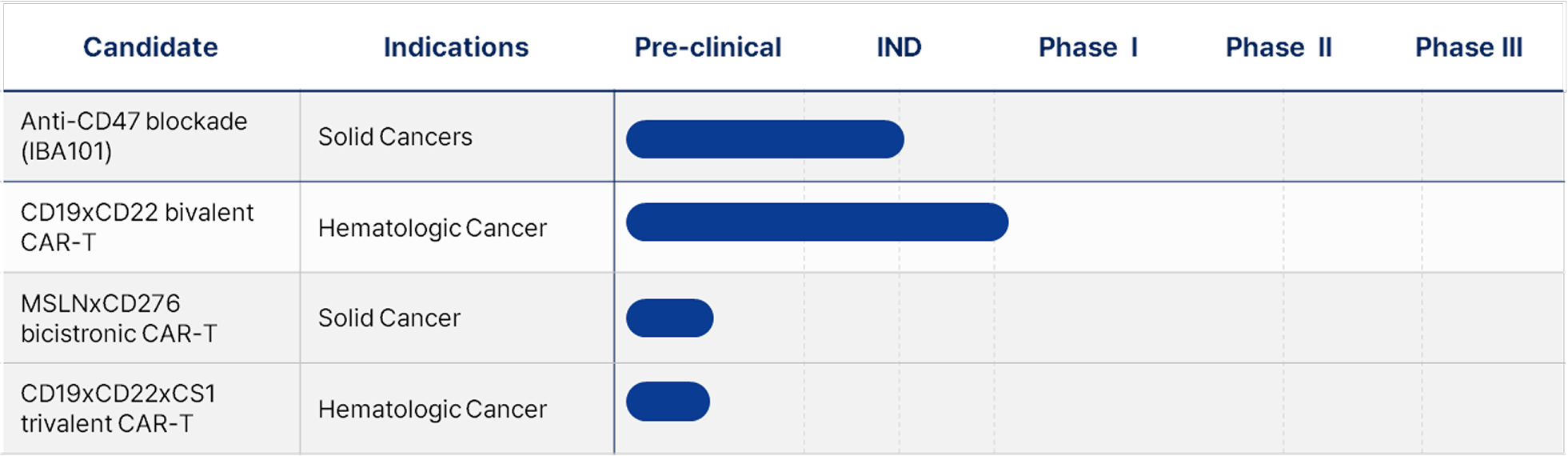

Pipelines & Technology
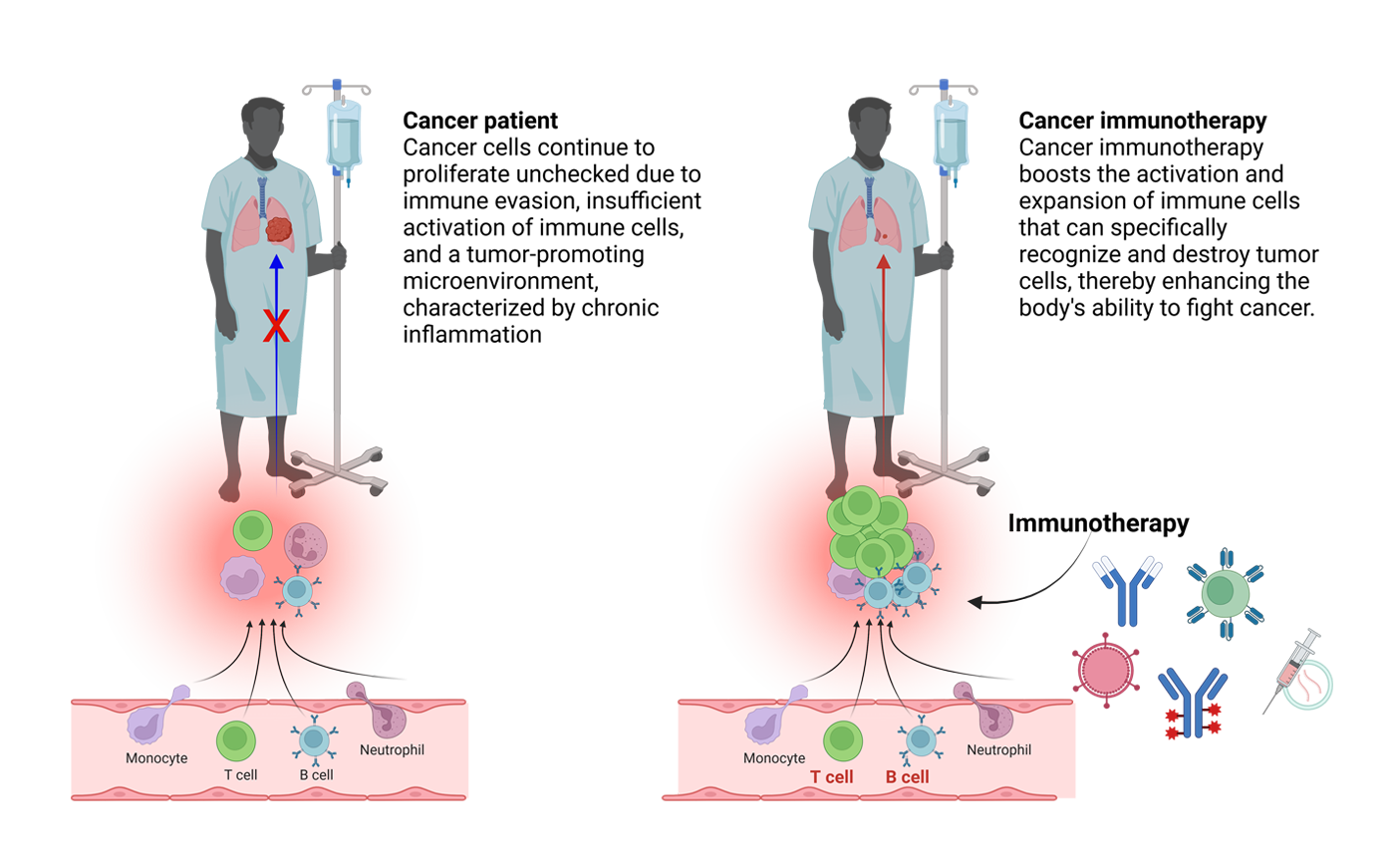
Cancer immunotherapy is a treatment strategy that harnesses the body’s own immune system to identify and eliminate cancer cells. Unlike conventional therapies, such as chemotherapy and radiation that directly target tumor cells, immunotherapy aims to re-educate or boost the immune response to recognize cancer as foreign. This approach encompasses various modalities including checkpoint inhibitors, cancer vaccines, and adoptive cell therapies. Checkpoint inhibitors, for instance, work by blocking proteins that suppress T‑cell activity, thereby restoring the immune system’s ability to attack cancer cells. The underlying principle is to shift the balance in favor of the immune system, enabling it to continuously surveil, recognize, and eradicate malignant cells. This dynamic, patient‑tailored treatment paradigm represents a significant evolution in oncology, aiming not only to shrink tumors but also to induce durable, long‑term remission.
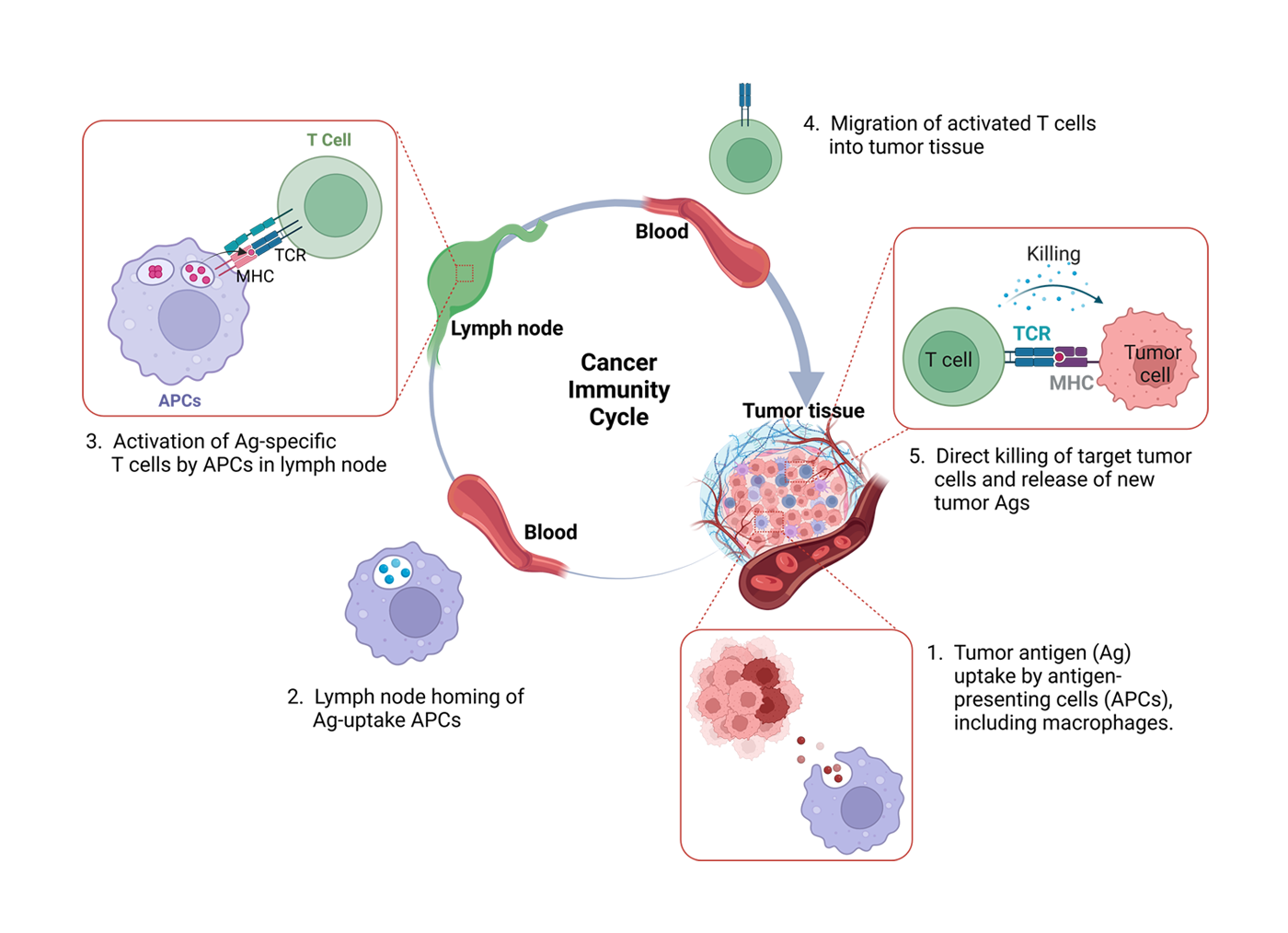
The cancer immunity cycle outlines the complex, multi‑step process by which the immune system combats cancer. It begins with the release of tumor antigens from dying cancer cells, which are then captured by antigen‑presenting cells (APCs) such as macrophages and dendritic cells. These APCs process the antigens and migrate to lymph nodes, where they present the information to T cells, leading to T cell activation. Activated T cells then travel through the bloodstream to the tumor site, where they recognize and bind to cancer cells expressing these antigens. Once in contact, the T cells induce the destruction of cancer cells, which in turn releases additional tumor antigens and perpetuates the cycle.
All cancer immunotherapies work by reinforcing and accelerating this cycle, yet they do not always lead to complete eradication of cancer on their own. However, if a specific immunotherapy can empower patients to sustain the cancer immunity cycle even after the direct effects of the treatment diminish, the likelihood of achieving a true cure increases dramatically. From this perspective, there is a growing need for combination strategies that integrate immunotherapies with different mechanisms. By working in harmony, these therapies can more effectively bolster and maintain the cancer immunity cycle, paving the way for durable, long‑term control—or even complete remission—of the disease.